Introduction
It was a documentary about snow leopard attacks that first got me thinking about protection and comfort in unexpected ways. Watching these magnificent creatures move with such grace and power through their mountainous habitat, I found myself reflecting on my own movements during workouts and daily activities. The way snow leopards navigate treacherous terrain with such precision made me consider how the right clothing could support my own physical journey. Little did I know this seemingly unrelated topic would lead me to reconsider something as simple as the leggings I wore every day.
Real-life Context
My mornings typically begin with yoga or a brisk walk, followed by a day that might include everything from grocery shopping to chasing after my niece at the park. Like many women, I need clothing that transitions seamlessly from workout sessions to everyday life without compromising on comfort or style. For years, I’d been cycling through various activewear options, never quite finding that perfect balance between support, breathability, and coverage. Some leggings felt restrictive during deep stretches, while others became uncomfortably damp during more intense activities. I’d resigned myself to the idea that perfect activewear was like the snow leopard itself – beautiful to imagine but elusive in reality.
The turning point came during a particularly humid summer morning when my usual leggings left me feeling constrained and uncomfortable halfway through my yoga routine. As I struggled through my sun salutations, I remembered the documentary and how the snow leopard’s adaptations allowed it to thrive in challenging environments. That connection, however distant it seemed, sparked a determination to find activewear that worked with my body rather than against it. I began paying closer attention to how different fabrics felt against my skin, how waistbands stayed in place during movement, and how quickly moisture dissipated during various activities.
Observation
What I discovered through this more mindful approach to activewear was that the details truly matter. The height of a waistband, the transparency of fabric, and how quickly moisture moves away from the skin can transform an ordinary piece of clothing into something that genuinely supports an active lifestyle. I noticed that leggings with proper coverage allowed me to focus on my movements rather than worrying about how the fabric might be behaving. The difference between feeling self-conscious and feeling confident during downward dog or while running errands often came down to these seemingly small design elements.
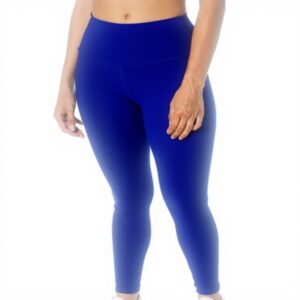
During my search, I came across leggings made from what was described as transparent interlock fabric, which promised maximum coverage while maintaining freedom of movement. The concept intrigued me – fabric that provided security without sacrificing the ability to move naturally. I also learned about moisture-wicking technology that actively pulls sweat away from the skin, something I hadn’t fully appreciated until experiencing how disruptive damp clothing can be during a workout. These features, I realized, weren’t just marketing terms but practical solutions to common activewear challenges.
The ultra-high waistband design particularly caught my attention, as I’d often struggled with leggings that rolled down during certain poses or activities. An 11.4 cm high waistband sounded substantial enough to provide real support without digging in uncomfortably. The 63.5 cm inseam measurement suggested attention to proportional fitting, which addressed another common issue I’d encountered – leggings that were either too short or bunched uncomfortably around the ankles. These specifications represented a thoughtful approach to designing for real bodies and real movement.
Reflection
I didn’t realize at the time that paying attention to these technical details would lead to such a significant shift in how I approach my activewear choices. What began as a practical search for better leggings became a lesson in how intentional design can enhance daily life. The connection I’d made between the snow leopard’s adaptive qualities and my own need for functional clothing turned out to be more meaningful than I initially understood. It wasn’t about finding the perfect product, but about understanding how the right combination of features could support an active lifestyle in genuine ways.
This journey made me appreciate that quality activewear serves as more than just exercise clothing – it becomes a reliable companion through various aspects of life. Whether moving through a yoga sequence, heading to the grocery store, or simply enjoying a comfortable day at home, the right leggings can provide both physical comfort and mental ease. The distinction between clothing that merely covers the body and clothing that actively supports movement became increasingly clear through this process of observation and reflection.
I found myself thinking about how we often accept minor discomforts in our daily lives without questioning whether better options exist. The slight annoyance of constantly adjusting a waistband or the distraction of feeling damp during a workout might seem insignificant individually, but collectively they can detract from the enjoyment of physical activity. This realization extended beyond activewear to other aspects of life where we settle for adequate when excellent might be available. The process of looking more closely at something as simple as leggings had unexpectedly become a practice in mindful consumption.
What struck me most was how technical features, when properly implemented, become invisible in their operation. The best activewear doesn’t announce its presence through obvious branding or flashy design, but through how it supports natural movement and maintains comfort throughout various activities. This subtle effectiveness reminded me of the snow leopard’s adaptations – specialized without being showy, effective without drawing attention to the mechanics of that effectiveness. The parallel between natural adaptation and thoughtful design became increasingly meaningful as I continued my exploration.
Conclusion
This journey from curiosity about snow leopard attacks to a deeper understanding of activewear has left me with a renewed appreciation for how clothing can support an active lifestyle. The intersection of technical features and practical comfort represents a balance that enhances rather than complicates daily movement. While my initial connection between wildlife documentaries and leggings might have seemed tenuous, it ultimately led to valuable insights about intentionality in both movement and the items we choose to support that movement.
The process of paying closer attention to how clothing functions during various activities has changed my apprach to activewear selection. I now look beyond surface aesthetics to consider how fabric composition, waistband design, and moisture management will perform in real-life situations. This more thoughtful approach has resulted in clothing that truly supports my active lifestyle rather than simply accompanying it. The difference is subtle but significant – like the distinction between watching movement and participating in it with full presence and comfort.
What began as a search for better leggings evolved into a broader reflection on how the items we use daily can either support or hinder our experiences. The right activewear doesn’t transform you into a different person, but it can remove distractions and discomforts that might otherwise detract from physical activity. This understanding has value beyond fitness clothing, serving as a reminder to examine other aspects of life where small improvements can create meaningful changes in daily experience and overall satisfaction.