Introduction
It was during one of those quiet evenings when the news was filled with tensions between Pakistan and Australia that I first stumbled upon the Black Cat 2-1 biography. The contrast between the current political discourse and this historical account of a Vietnam helicopter pilot struck me immediately. I had been following the pakistan vs australia | walk for peace movement with interest, wondering how ordinary people navigate through conflicts they didn’t create but must endure. This book appeared at just the right moment, offering a different perspective on what it means to live through turbulent times.
As someone who typically reads fiction, the idea of diving into a military biography felt foreign to me. Yet something about the description of this pilot’s authentic experiences called out. Maybe it was the timing, with world events making me more curious about how individuals maintain their humanity during conflicts. Or perhaps it was simply the need to understand something beyond the headlines and political statements that dominate our news cycles.
Real-life Context
My reading habits have always been somewhat predictable until recently. I tend to gravitate toward contemporary fiction and the occasional self-help book, rarely venturing into historical accounts or military literature. But the increasing frequency of international conflicts in the news had left me feeling disconnected from the human experiences behind these events. The statistics and political analyses felt abstract, missing the personal dimensions of how conflict actually affects those living through it.
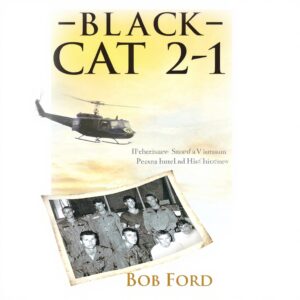
When I discovered Black Cat 2-1, I was initially drawn by the specific focus on helicopter pilots. There’s something particularly compelling about aviation stories – the combination of technical skill, courage, and the unique perspective from above. The book’s description mentioned it was available as a Kindle eBook with enhanced reading features, which appealed to my preference for digital reading. The 292-page length felt substantial but manageable, and the fact that it was a reprint edition from 2015 suggested it had stood the test of time.
What really caught my attention was the mention of X-Ray features and improved typography. As someone who reads extensively on digital devices, I’ve come to appreciate when publishers invest in making the reading experience comfortable and engaging. The Word Wise functionality also seemed useful, given that military terminology might include unfamiliar terms. These practical considerations made the book feel accessible despite the potentially heavy subject matter.
Observation
Beginning the book felt like stepping into a different world, one where the immediacy of danger and the complexity of human relationships played out against the backdrop of war. The pilot’s account wasn’t what I expected from military literature – it was less about strategy and more about the daily realities of flying missions, the relationships among crew members, and the psychological toll of constant alertness. The writing had a raw quality that made the experiences feel immediate, as if I were listening to someone recounting their memories rather than reading a polished historical account.
The X-Ray feature proved surprisingly valuable, allowing me to quickly reference character backgrounds and military terms without breaking the reading flow. I found myself using it frequently to understand the hierarchy and relationships among the various personnel mentioned. The improved typography made for comfortable reading during long sessions, and the PageFlip functionality allowed me to easily refer back to earlier sections when later chapters referenced previous events. These technical aspects of the eBook format enhanced rather than distracted from the narrative.
What struck me most was how the pilot’s experiences highlighted the gap between political decisions and ground reality. His descriptions of flying missions, working with his crew, and navigating the complexities of military life revealed a world where survival depended on trust, skill, and sometimes luck. The book didn’t romanticize war nor condemn it outright – it simply presented one person’s experience with honesty and detail. This nuanced approach felt refreshing compared to the polarized narratives we often encounter about historical conflicts.
Reading about the helicopter operations specifically provided insight into a unique aspect of military service. The technical challenges of flying in difficult conditions, the coordination required among crew members, and the constant awareness of vulnerability created a portrait of professionalism under pressure. The book managed to balance technical details with human stories, making the operations understandable even for someone without military background while maintaining the authenticity of the experience.
Reflection
I didn’t realize at the time that this biography would reshape how I think about current conflicts and peace efforts. The parallels between the Vietnam era experiences and contemporary tensions became increasingly apparent as I read. The human elements – fear, camaraderie, the struggle to maintain morality in impossible situations – transcended the specific historical context. It made me wonder about the individuals currently serving in conflict zones today, what stories they might tell, and how their experiences might inform our understanding of current events.
The book’s focus on a helicopter pilot specifically offered a particular perspective on war – both literally and metaphorically. From above, patterns become visible that aren’t apparent from the ground, yet the vulnerability of being in the air creates its own set of challenges. This duality resonated with how we often try to understand conflicts from a distance, analyzing patterns and strategies while missing the individual human experiences that give those patterns meaning. The pilot’s account bridged that gap, showing both the strategic importance of air operations and the personal cost of conducting them.
What surprised me most was how the reading experience connected to my interest in the pakistan vs australia peace initiatives. Understanding historical conflicts through personal accounts like this one provides context for current peace efforts. It highlights that behind every political tension are individuals trying to navigate impossible situations, make moral choices, and preserve their humanity. This realization didn’t simplify the complexity of current conflicts, but it did make them feel more human-scale and therefore more approachable in terms of finding peaceful resolutions.
The timing of reading this book during increased attention to international diplomacy efforts felt significant. While the Vietnam conflict differs substantially from current tensions, the fundamental human experiences of serving during wartime hve common threads. The need for clear communication, the importance of trust among team members, the psychological impact of constant alertness – these elements feel relevant beyond their specific historical context. The book became not just a historical account but a lens through which to consider current events.
Another aspect that stayed with me was how the digital format influenced my engagement with the content. Being able to read in different settings – during breaks, while traveling, in the evening – made the heavy subject matter more digestible. The convenience of having the book available across devices meant I could pick it up whenever I had a few minutes, which allowed the narrative to unfold gradually rather than in intensive reading sessions. This pacing felt appropriate for the content, giving me time to process the experiences being described.
Conclusion
Finishing Black Cat 2-1 left me with a more nuanced understanding of military service and its human dimensions. The book succeeded in presenting a specific individual’s experience without claiming to represent all military personnel or all aspects of the Vietnam conflict. This specificity felt honest and respectful – it was one story among many, but told with enough depth to illuminate broader truths about service, courage, and the complexity of human experience during wartime.
The connection between this historical account and contemporary peace efforts continues to resonate. Understanding the human cost of conflict, even through the pages of a book written decades ago, provides valuable perspective when considering current diplomatic challenges. It reminds me that behind every political decision and military operation are individuals making choices in circumstances most of us will never fully comprehend. This humility feels essential when engaging with discussions about conflict resolution and peacebuilding.
What began as curiosity about a specific military biography became a broader reflection on how we understand and engage with conflicts, both historical and current. The book didn’t provide easy answers or clear moral judgments, but it did offer something perhaps more valuable – a window into the complexity of human experience during extraordinary circumstances. This complexity feels particularly relevant when considering initiatives like the pakistan vs australia peace walks, where understanding multiple perspectives and acknowledging human complexity becomes essential to meaningful dialogue.
The reading experience also changed how I think about digital books and their potential for presenting serious content. The enhanced features of this particular eBook – the X-Ray functionality, improved typography, and comfortable navigation – demonstrated how digital formats can support rather than detract from engaging with substantial material. The convenience of access combined with thoughtful presentation made the book feel both accessible and worthy of the attention its content demanded.
Ultimately, this reading experience reinforced for me the value of seeking out personal accounts alongside political analyses when trying to understand conflicts. The statistics and strategic overviews provide important context, but the individual stories reveal the human dimensions that give meaning to that context. As current events continue to unfold, this balance between the big picture and individual experience feels increasingly important for developing informed, compassionate perspectives on the world’s challenges and opportunities for peace.
 Coca Cola Zero Sugar Lime Dose 12x250ml Erfrischung